Latest Articles

Visit the blog

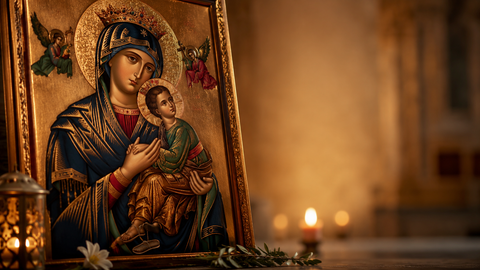
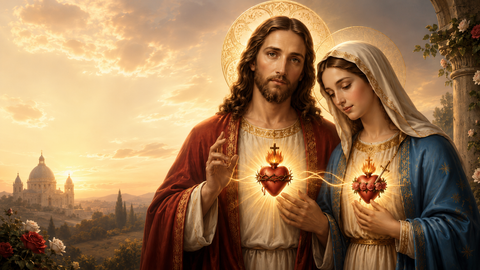
Many Catholics love the Blessed Virgin Mary deeply, yet still hesitate when they hear phrases like “total consecration.” It can sound overwhelming or even raise quiet concerns about whether such devotion might take attention away from Jesus. This hesitation is understandable, and it is one that even Pope John Paul II once experienced before encountering the writings of St. Louis de Montfort more fully. What he discovered, and what Marian consecration truly teaches, is that this devotion is not about Mary replacing Christ, but about belonging more completely to Him through her. As St. Louis de Montfort explains, “This devotion consists in giving oneself entirely to Mary in order to belong entirely to Jesus through her,” making it clear that the heart of consecration is entirely Christ-centered.

Before dawn breaks on Easter morning in the Philippines, there is a quiet stirring in parishes and streets. Veiled images are carried in procession, and candles flicker softly in the dim light. There is a lingering ache in the air, yet it is filled with expectation. When the moment finally comes and the veil is lifted, the Mother meets her risen Son. It is a simple gesture, yet one that never fails to move the heart.

There is a quiet question that lingers in many hearts after Easter. Christ is risen, the Church proclaims it with joy, and yet life does not suddenly feel light. Responsibilities remain, grief still visits, and the weight of daily struggles can feel unchanged. This tension does not mean your faith is lacking. It simply means you are human, standing in need of the very hope the Resurrection offers.

The Risen Jesus does not expect you to ignore your burdens. He steps into them, just as He entered the locked room where the disciples hid in fear. He meets you where you are, not where you think you should be. Easter is not an invitation to pretend everything is fine. It is an invitation to trust Him in the middle of what is not.

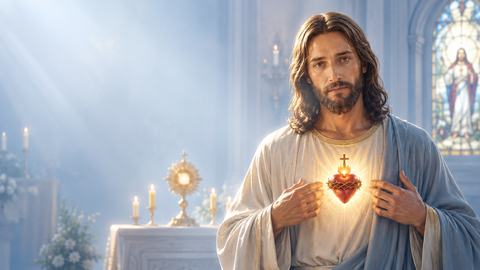
Many Catholics recognize the Divine Mercy image or have heard of the Chaplet, yet these beautiful devotions are often experienced as separate pieces rather than a unified gift. In reality, what Jesus revealed through St. Faustina is a single, deeply connected message centered on trust in His mercy.

In the early 20th century, the Polish nun St. Maria Faustina Kowalska received a series of revelations in which Jesus asked her to help spread this message to the whole world. These were not complicated theological instructions, but simple, profound invitations for souls to return to Him with trust.

At the heart of this devotion are four pillars. Each one expresses a different way of encountering Divine Mercy, yet all lead to the same place: a deeper trust in Jesus Christ, who is Mercy itself.